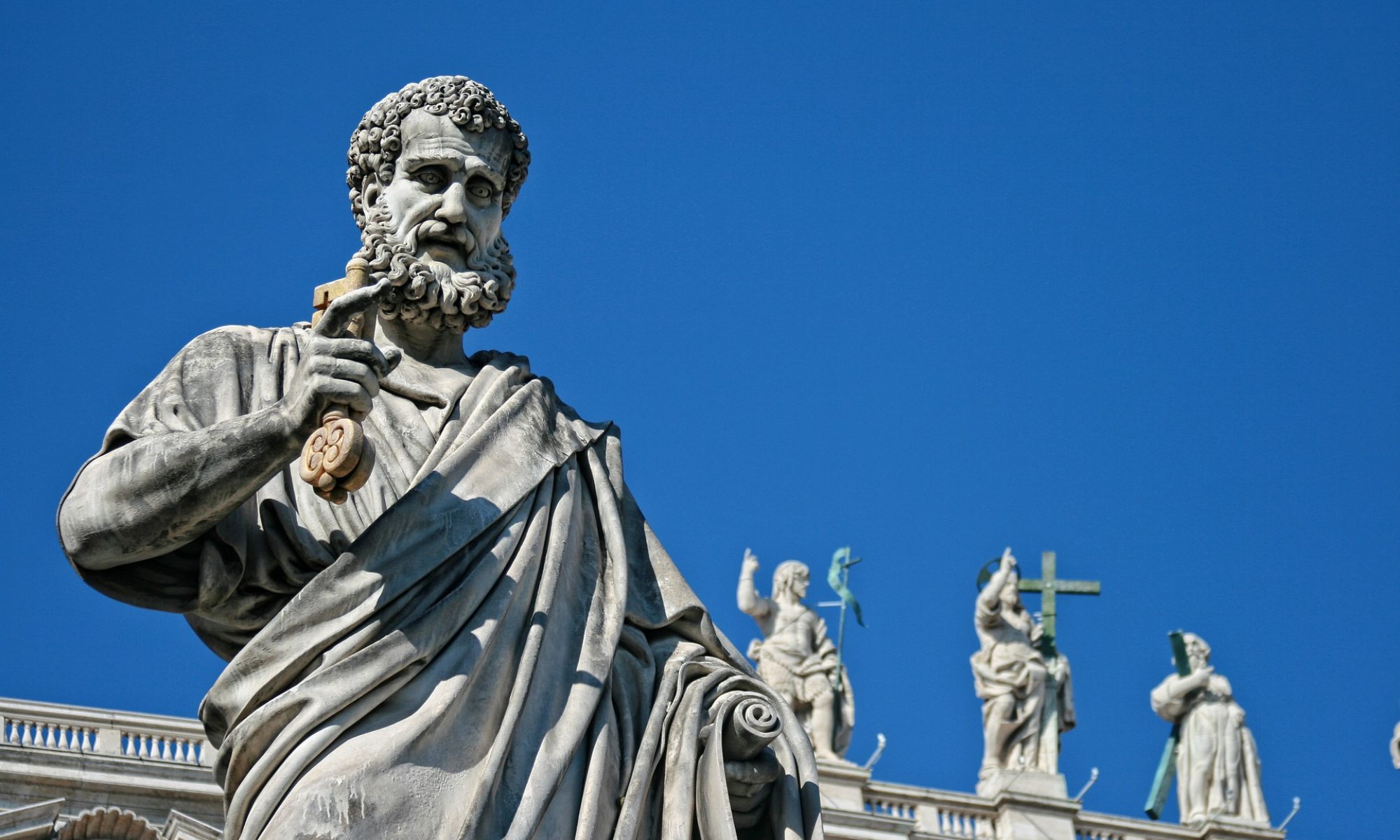
El catolicismo romano cree que el Magisterio de “la” Iglesia tiene la autoridad definitiva sobre la Escritura. Esto es lo que también cree el papa Francisco.
21 DE ABRIL DE 2013
Después de un mes de continuos acontecimientos alrededor del Vaticano, ha llegado el momento de cambiar a un estado de ánimo más rutinario.
El papa Francisco ha llamado tras su elección mucho la atención de los medios de comunicación y ha enviado varios mensajes de cambio y de renovación. Una vez pasada la sorpresa inicial, los diferentes departamentos vaticanos han llegado a un acuerdo para que haya un papado menos pomposo y el mismo papa está empezando a dar forma a sus propios puntos de vista en un gran número de cuestiones que estaban pendientes en la agenda vaticana.
Después de la primeras semanas marcadas por lo que parecía ser nuevo y extraordinario, el papa Francisco ha empezado ahora a hacer lo que un papa hace normalmente en Roma, p.e., presidir diferentes eventos litúrgicos, recibir a las delegaciones internacionales, reunirse con los obispos procedentes de todo el mundo, hablar en diversas ocasiones, etc.
El ritmo normal del papado está empezando a emerger. Tras haber utilizado un lenguaje más “pastoral” en su primera homilía que pareció gustar a todo el mundo, la inclinación más teológica del pensamiento de Francisco se ve a medida que tiene más oportunidades de pronunciar discursos en variadas formas.
Una de estas primeras ocasiones fue una disertación que hizo el 12 de abril a los miembros de la Pontificia Comisión Bíblica, convocada en el Vaticano para discutir sobre el tema “La inspiración y la verdad de la Biblia”. Este es un resumen de la dirección del pensamiento teológico de Francisco y algunas observaciones sobre este asunto tan importante para todos los cristianos en general, y para los evangélicos en particular.
LA TESIS DE LA NO IDENTIDAD
Después de encomiar a la Comisión por la elección del tema, el papa destacó la naturaleza de la Escritura y su relación con la Palabra de Dios. La Biblia, según Francisco, es “el testimonio en forma escrita de la Palabra de Dios”. La Escritura no está asociada con la Palabra de Dios en correspondencia exacta, sino que es más bien percibida como un testimonio de algo co-inherente, aunque diferente.
Siguiendo este comentario, el papa añade que “la Palabra de Dios precede y supera la Biblia”. En otras palabras, el Papa no aprueba una visión identitaria entre la Escritura y la Palabra pero apoya un punto de vista dinámico de la relación entre la Palabra de Dios y la Biblia, por lo cual la Escritura atestigua la Palabra que es anterior y va más allá de la Biblia. La Palabra está presente en la Biblia pero no está confinada a la misma.
En la Palabra se habla y se indica de la Biblia pero las dos visiones no coinciden, puesto que la Biblia es solamente un testigo (parcial) de la (más completa) Palabra. De acuerdo con este criterio, lo que la Biblia dice es lo que la Palabra dice, pero lo que la Palabra dice no es necesariamente lo que la Biblia dice.
Francisco reconoce correctamente que el centro de la fe cristiana es una “persona” y no un libro, es decir, la persona de Jesucristo, la encarnada Palabra de Dios.
Sin embargo, la deducción es que “el horizonte de la divina Palabra (o sea, Jesucristo) abarca la Escritura y se extiende sobre ella”. En un lenguaje más técnico, Francisco continúa diciendo que la Biblia es el “memorial canónico que da fe del evento de la Revelación”. La frase necesita un poco de desembalaje teológico pero resulta claro que el lenguaje “memorial” acoplado junto con la noción de “atestiguación” apoya la opinión de que hay una brecha entre la Biblia y la Palabra de Dios. No hay nada original en esta consideración; ha sido el estándar teológico de la Palabra defendido por el Iglesia católica desde el Vaticano II.
LA ESCRITURA ESTÁ SUJETA A LA IGLESIA
Una vez que la identidad entre la Palabra y la Biblia es rechazada y sustituida por el dinamismo de una Revelación “viva” que supera a la Biblia, surge la necesidad de un árbitro que sea capaz de reconocer la Palabra viva dentro y fuera de la Biblia.
Mientras que el liberalismo protestante somete la Biblia a la sentencia final de la conciencia o de la razón, el catolicismo romano cree que el Magisterio de la Iglesia tiene la autoridad definitiva sobre la Escritura. Esto es lo que también cree el Papa Francisco.
Al citar al Vaticano II (lo que es en realidad una cita del Vaticano I), dice que “todo lo que se ha dicho sobre la forma de interpretar la escritura está sometido al juicio definitivo de la Iglesia, que lleva a cabo la comisión y el ministerio divino de custodiar e interpretar la Palabra de Dios” ( Dei Verbum , 12).
Naturalmente, aquí Francisco está recordando el punto de vista católico romano de que hay una profunda unidad entre la Escritura, la Tradición y el Magisterio de la Iglesia hasta el punto de que uno no puede medirse con los otros dos y viceversa.
El punto crítico es que el Magisterio representa la única voz “viva” de la Palabra y su interpretación de la Escritura es lo que en realidad importa y lo que finalmente cuenta.
De este modo, en lugar de dejar que la Escritura hable a la Iglesia y por encima de la Iglesia mediante el Espíritu, la Iglesia es la única voz autorizada de la Palabra, la cual está atestiguada en la Biblia y que también se extiende más allá de la misma.
El Papa cita de nuevo el Vaticano II (que a su vez cita el Concilio de Trento) cuando dice que “no es de la Sagrada Escritura sola que la Iglesia recibe su certeza acerca de todo lo que ha sido revelado. Por tanto, la tradición y la Sagrada Escritura están para ser aceptadas y veneradas con el mismo sentido de lealtad y reverencia”( Dei Verbum , 9).
Habrá otras oportunidades para que el Papa Francisco aborde temas teológicos y pueda expresar sus opiniones. No obstante, este discurso a la Pontificia Comisión Bíblica es una indicación del hecho de que el Papa presumiblemente no traerá el cambio a los asuntos fundamentales doctrinales y que es más bien conservador en su actitud teológica católico romana. Realmente, en el énfasis y el tono de la disertación parece que está dispuesto a dibujar una línea entre lo que la Iglesia Católico Romana cree y la “Sola Escritura”, que es el principio de la fe protestante.
Traducción: Rosa Gubianas
